
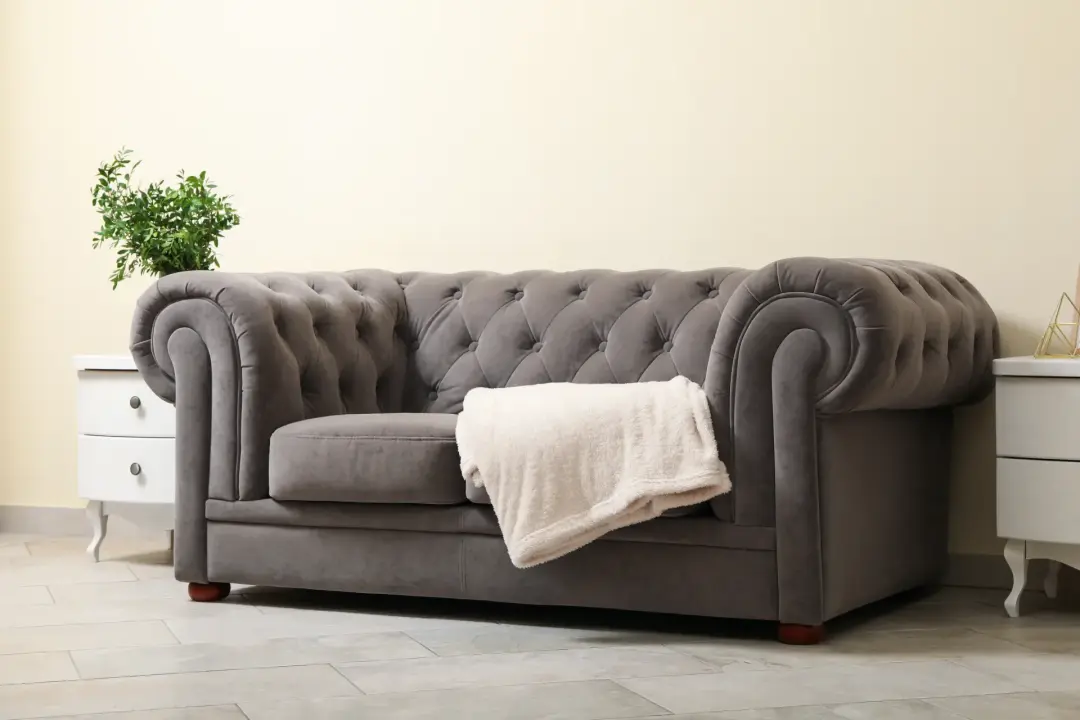
Is Your Old Sofa Worth Reupholstering?
An old sofa is worth reupholstering when its frame is sound, its size and shape still work for you, and renewing the upholstery offers something a replacement cannot easily provide. That might be better support, a fabric you love or the chance to keep a familiar piece. A sagging seat does not automatically mean the sofa is finished, but damaged structure can turn a straightforward recover into a larger restoration project.
Separate a worn cover from a worn-out sofa
Look at the sofa as three parts: the frame, the support beneath the seats and the upholstery above it. Frayed fabric mainly affects the surface. Flattened cushion filling changes how you sit. A broken spring, slack webbing or loose frame joint affects the support. These faults need different treatments, and new fabric alone will not address all of them.
Sit in each position and note where it feels uneven. Listen for creaks during normal use, check whether the arms move unexpectedly and photograph any visible damage. Avoid pulling off the dust cover or dismantling the furniture just to investigate. An upholsterer can inspect the construction and explain what can be repaired.
What makes a frame worth keeping?
A rigid frame with repairable joints is a useful starting point. However, weight alone is a poor guide to quality: a heavy sofa may contain a mechanism, while a lighter frame may still be carefully made. If you have the original specification, share it. The maker, age and any previous repairs help build a clearer picture.
Ask whether the proposed work includes tightening joints, replacing support materials or correcting a structural fault. A sofa that rocks because of an uneven floor needs a different response from one with a cracked rail. If substantial frame reconstruction is required, compare that work with the quality and cost of an equivalent replacement.
Does the shape still suit the way you live?
Reupholstery is most useful when you still like the underlying furniture. Think about seat depth, back height, arm width and the space available in your room. New cushion interiors can change support and feel, but they do not turn every deep sofa into an upright seat or make an oversized frame smaller.
Try the existing sofa with the people who use it most. If rising from it is difficult, mention that before discussing fabric. If the main problem is that it blocks a doorway or no longer fits the household, buying a different design may solve more than recovering it.
Compare the full job with a comparable new sofa
Request a quotation that separates fabric, labour, cushion filling, structural repairs and transport where applicable. Clarify whether piping, buttons, pattern matching and any replacement fittings are included. Otherwise, a low headline price can disguise a narrower scope.
Compare the finished sofa with a new piece of similar construction and dimensions, rather than the cheapest sofa you can find. If you are keeping an unusual size, a distinctive frame or a much-loved design, those features have value even when reupholstery is not the cheapest option. Equally, sentimental value does not remove the need for an affordable, clearly specified project.
Keeping useful furniture in circulation
Reuse Network’s 2025 Social Impact Report, released in January 2026, records 2.29 million furniture and electrical items reused and 1.35 million households supported. These figures describe the network’s wider reuse activity; they are not measurements of reupholstery or the carbon saving from your particular sofa.
Reupholstery can retain a usable frame while renewing parts that have worn out. Ask what will be kept and what must be replaced. That gives you a more concrete picture than a general promise that restoration is always greener. If you choose a replacement, investigate whether the old sofa is suitable for reuse rather than assuming it must be discarded.
What to send for an initial assessment
Take a photograph of the whole sofa, another from the side and close-ups of damaged areas. Include overall width, depth and height, plus the number of seat and back cushions. Photograph any maker’s label without removing it. Explain whether you want to retain the original feel or change the firmness.
For a home in Darlington, it is also useful to mention stairs, narrow doors and any difficulty moving the sofa. These practical details affect collection planning and help the upholsterer ask the right questions before assessing the work.
Summary: keep the sofa for the right reasons
A repairable frame, a shape you still enjoy and a clearly costed plan make a strong case for reupholstery. If the structure is beyond sensible repair or the size no longer works, replacement deserves consideration. Start with an assessment of what you have, then choose fabric after the scope is clear.