
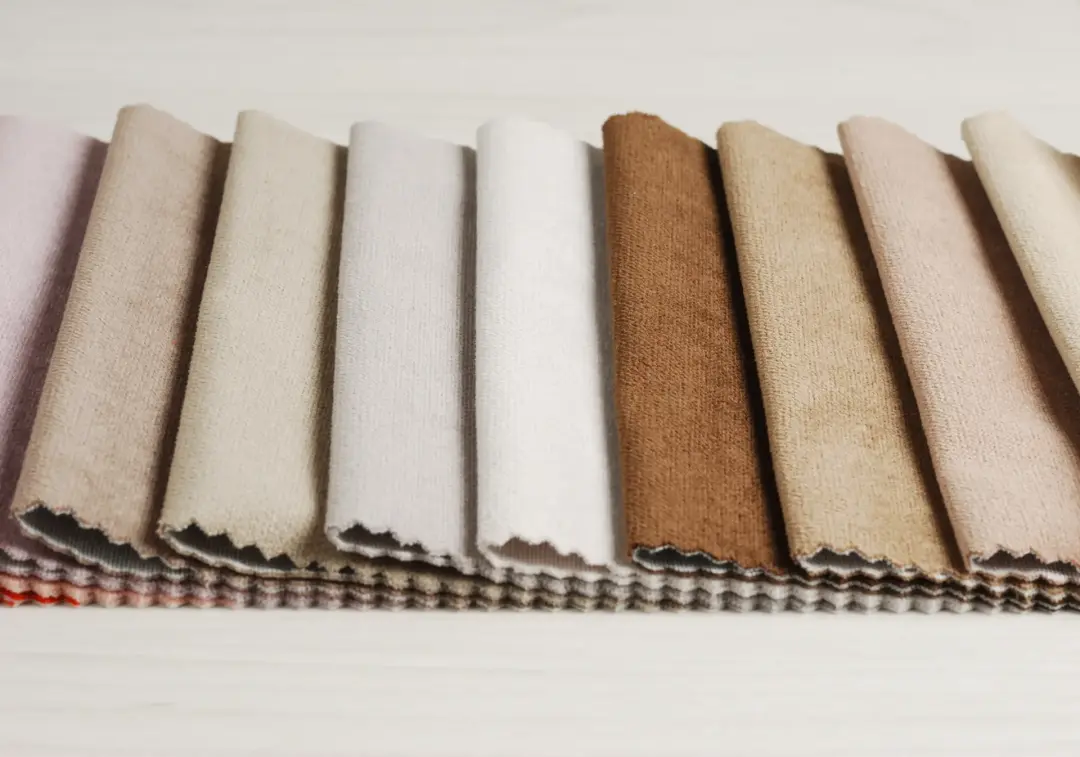
For a household with pets and children, the best upholstery fabric is one that combines an appropriate weave, manageable cleaning instructions and a feel you enjoy. No cloth is completely proof against claws, spills or rough treatment. Start with the problems your family actually encounters, then choose a fabric that makes those problems easier to manage.
A family sofa needs more than an attractive swatch
UK Pet Food’s 2026 population research estimates that 62% of UK households own a pet. It reports around 15.5 million dogs and 13 million cats, based on nationally representative research conducted by Kantar with approximately 9,000 adults. These estimates explain why pet-friendly furnishing choices matter to so many homes; they do not establish how any individual fabric will perform.
Write down what your sofa faces in a normal week: muddy paws, shedding, snacks, marker pens or a cat that catches its claws on loops. Different challenges call for different qualities. A fabric that releases hair easily may still need careful treatment after a greasy food spill.
Look at the surface and weave
A closely constructed surface is a sensible starting point where snagging is a concern. Inspect a sample for prominent loops or loose decorative threads and ask the supplier how the weave is intended to be used. Deeply textured cloth can be attractive but may collect crumbs or make pet hair harder to remove.
Smooth woven fabrics and some short-pile options can be easier to maintain, depending on the specific product. Avoid choosing by fibre name alone: two polyester fabrics can have very different surfaces, while blended fabrics vary in performance. Bring a sample home and see how it feels against skin and how easily you can remove a little naturally shed pet hair.
Read the cleaning instructions before choosing
“Easy clean” should come with an explanation of the method. Ask whether a spill can be treated with water, whether a specialist product is needed and whether the whole panel should be cleaned to avoid a tide mark. Check restrictions before using detergent, steam or a household cleaner.
A removable cover is not automatically machine washable. The cloth, lining, seams and completed cushion construction all matter. If washable covers are important, agree that requirement before the piece is upholstered and retain the care instructions.
For example, Sunbrella’s upholstery cleaning guidance advises blotting fresh liquid spills and distinguishes between indoor and outdoor cleaning. It says some removable casings can be machine washed, subject to the furniture manufacturer’s advice. That is guidance for its products, rather than permission to wash every upholstery cover.
Understand abrasion, pilling and fading separately
An abrasion rating measures a particular kind of wear under test conditions. It does not measure resistance to every scratch, stain or chewing incident. Ask about pilling and colourfastness as well as abrasion, especially for seating beside a bright window.
The textile manufacturer James Dunlop Textiles explains that pilling, stretching and fading need separate consideration from rub tests. Its guidance describes 20,000–29,000 Martindale rubs as a heavy-duty residential category. Treat that as the manufacturer’s guidance, not a guarantee that every fabric in that band suits your pet or family.
Choose colour for everyday use
There is no universally best sofa colour for pets. Pale fur shows clearly on a very dark cover, while dark hair may stand out on cream. A mid-tone or subtly varied pattern can make day-to-day marks less conspicuous, but camouflage does not replace cleaning.
Check the sample against the colours already in the room. If you prefer a lighter look, ask whether the cleaning routine fits your available time. It is better to select an achievable care plan than a beautiful cloth you will constantly worry about using.
What about leather?
Leather can make loose hair easier to remove, but finishes differ. Some surfaces show scratches, oils or water marks more readily than others. Ask about the exact leather or coated material, its care requirements and how minor damage is handled.
Do not assume a leather cover makes a seat indestructible or that all leather can be treated with the same cleaner. If your pet scratches furniture, changing the cover alone will not solve the behaviour. A washable protective throw may be useful where appropriate, alongside the right fabric specification.
Keep a realistic maintenance routine
Use a suitable upholstery attachment to remove dust and hair regularly. Deal with spills using the product’s care instructions, test permitted cleaners in an inconspicuous place and allow damp areas to dry fully. Keep care information somewhere easy to find.
Discuss cushion filling and support at the same time as the fabric. A durable cover cannot compensate for exhausted interiors. Reupholstery offers an opportunity to review the whole seat, so the result works for everyday family use as well as appearance.
Summary: choose for your household’s habits
Bring samples, explain the pets and children who use the furniture, and make cleaning a deciding factor. The right fabric is the one whose construction and care requirements fit your home, rather than the one with the biggest performance claim.